Accent walls are one of the easiest ways to upgrade an interior without repainting the entire home. When done right, an accent wall creates focus, adds depth, and gives a room personality. When done wrong, it can feel loud or out of place. Stylish interiors use accent walls with intention, not impulse.
Here are practical and modern accent wall ideas that work well across different interior styles.
1. Solid Color Accent Walls That Feel Balanced
The most common accent wall is still a single solid color, but the key is choosing the right shade.
Popular accent wall colors:
- Deep green or olive
- Charcoal or soft black
- Navy blue
- Warm clay or terracotta
These shades create contrast without overpowering the room. Accent walls work best behind beds, sofas, or dining tables where the wall already acts as a natural focal point.
2. Textured Paint for Subtle Depth
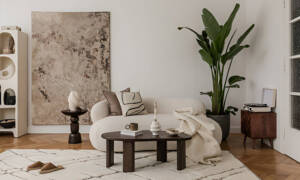
Texture adds interest without relying on bold colors. Textured accent walls are becoming popular in modern interiors because they feel refined.
Common textured finishes include:
- Limewash
- Venetian plaster look
- Soft brushed or layered paint effects
These finishes catch light differently throughout the day and add character without visual clutter.
3. Two-Tone Accent Walls
Two-tone accent walls divide a wall into upper and lower sections using two complementary colors.
Stylish two-tone ideas:
- Light neutral on top, darker shade below
- White upper wall with muted color base
- Soft contrast instead of sharp color breaks
This style works especially well in dining rooms, hallways, and entry areas.
4. Accent Walls With Architectural Elements
Sometimes the accent is not just color but structure. Highlighting architectural features can make a space feel more intentional.
Ideas include:
- Painting built-in shelves a darker shade
- Highlighting fireplaces with a bold color
- Framing accent walls with trim or molding
These details turn simple walls into design features.
5. Dark Accent Walls in the Right Rooms
Dark accent walls add drama and depth when used correctly.
Best spaces for dark accents:
- Bedrooms
- Powder rooms
- Dining rooms
Dark walls work best when paired with lighter surrounding walls and good lighting to avoid making the room feel heavy.
6. Accent Walls in Open Layouts
In open-plan interiors, accent walls help define zones without adding walls.
Common uses:
- Highlighting the living area wall
- Separating dining space visually
- Adding focus behind a media unit
The goal is definition, not distraction.
7. Keep the Rest of the Room Calm
A successful accent wall needs balance. If the wall is bold, the rest of the room should stay calm.
Best practices:
- Neutral surrounding walls
- Simple furniture lines
- Limited competing patterns
This keeps the accent wall looking stylish instead of chaotic.
8. Planning Matters More Than Paint
Accent walls look simple, but placement, lighting, and color tone make a big difference. What looks good on a sample can feel wrong once painted full scale.
Many homeowners consult interior designers to choose accent walls that match the room’s layout, lighting, and long-term style instead of following short-lived trends. This avoids repainting and ensures the accent feels intentional.
Make Accent Walls Feel Intentional
Accent walls should enhance a room, not dominate it. The best accent wall ideas focus on balance, placement, and purpose. When chosen thoughtfully, an accent wall becomes a timeless design feature that adds style without overwhelming the interior.