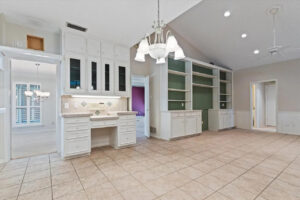
If you are planning a cabinet upgrade, understanding the cabinet painting process step by step helps you set realistic expectations about time, mess, and results. Cabinet painting looks simple from the outside, but the durability of the finish depends heavily on preparation, the right materials, and correct application. Below is a clear, practical breakdown of how professional cabinet painting is typically done.
Step 1: Inspection and Planning
The process starts with checking the condition of cabinet boxes, doors, and drawer fronts. Painters look for damage, loose hinges, swollen MDF areas, or peeling finishes. This inspection also helps decide whether minor repairs are needed before painting.
During this phase, homeowners usually finalize the color, sheen level (often satin or semi-gloss), and whether hardware will be reused or replaced. Planning also includes setting up a schedule so the kitchen downtime stays manageable.
Step 2: Remove Doors, Drawers, and Hardware
Next, cabinet doors and drawer fronts are removed. Handles, knobs, and hinges are taken off as well. This makes it easier to paint evenly and reduces the chance of drips around edges.
Professional teams label each door and drawer so everything goes back in the correct position. This matters because cabinet doors can vary slightly in alignment.
Step 3: Deep Cleaning and Degreasing
Kitchen cabinets collect grease, dust, and residue, especially near the stove. If this buildup is not removed, paint will not bond properly.
Painters typically use a strong degreaser and rinse thoroughly. This step alone often determines whether cabinets last years or start peeling early.
Step 4: Surface Prep: Sanding or Scuffing
After cleaning, surfaces are sanded or scuffed to remove gloss and create grip for primer. Some cabinets require heavier sanding if they have thick varnish or damaged top layers. Others may only need scuff sanding.
Dust is removed carefully after sanding. Any dust left behind can cause bumps or rough texture in the final finish.
Step 5: Repairs and Filling
Small dents, cracks, or holes are filled. If old hardware is being replaced, previous holes may be patched and re-drilled.
Edges and corners are also checked because they are the first places to paint chips. A good repair step strengthens those weak points.
Step 6: Priming for Strong Adhesion
Primer is not optional for cabinets. It helps paint stick, blocks stains, and prevents tannins from bleeding through (common in wood cabinets).
For laminate or glossy surfaces, bonding primer is critical. For wood cabinets, stain-blocking primers help keep the final color clean and consistent.
Step 7: Apply Cabinet-Grade Paint
After primer, cabinet-grade paint is applied in multiple thin coats. The goal is a smooth, even finish that dries hard.
Spray application is often used for doors and drawers because it creates a factory-like look. Some areas may be brushed or rolled carefully, especially inside cabinet frames. The key is controlled layering, not thick coats.
Step 8: Drying and Curing Time
Drying is not the same as curing. Cabinets may feel dry in hours, but full curing can take days or even a few weeks depending on the paint system.
During curing, cabinets should be handled gently and cleaned with mild products only. This is one reason homeowners prefer working with painters who plan drying time correctly instead of rushing reassembly.
If you want a clearer view of how a professional team handles prep, priming, spraying, and curing timelines, this cabinet painting service page explains what a complete professional process includes.
Step 9: Reassembly and Final Touches
Once paint has set properly, doors and drawer fronts are reinstalled. Hardware is added back, and hinges are adjusted to ensure good alignment.
A final walkthrough checks for missed spots, smoothness, and consistent finish. Touch-ups are handled at this stage.
Step 10: Care and Maintenance After Painting
To keep painted cabinets looking new, avoid harsh scrubbers and strong chemicals. Wipe spills quickly, clean grease regularly, and use soft microfiber cloths.
With the right process and proper aftercare, cabinet painting can deliver a durable finish that looks clean, modern, and professionally done for many years.