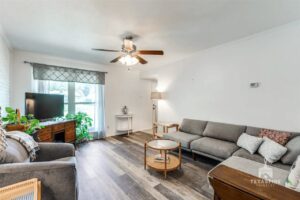
Choosing energy-efficient paint can make a real difference in how comfortable and cost-effective your home feels after a full remodel. These paints help reflect heat, reduce cooling loads, and keep interiors more stable in temperature. For Dallas homes, where summers get hot and sunlight is strong, choosing the right paint saves energy and improves comfort.
In this guide, we’ll break down the best energy-efficient paint types, how they work, and where to use them in a whole home remodel.
Why Energy-Efficient Paint Matters
Traditional paint focuses only on color and finish. Energy-efficient paint adds performance by:
- Reflecting infrared and UV rays
- Reducing heat absorption
- Helping lower cooling costs
- Improving interior comfort
When combined with insulation and windows, energy-efficient paint becomes part of a complete approach to reducing energy use in your remodeled home.
How Energy-Efficient Paint Works
Energy-efficient paints use special pigments and additives to reflect more sunlight and heat than regular paints. This keeps exterior surfaces cooler, reducing heat transfer into the house. Some interior paints also help stabilize wall temperatures and reduce heat gain from sun-exposed rooms.
Best Energy-Efficient Paint Types
1. Cool Roof and Exterior Reflective Paints
These paints are designed for roofs and exterior walls. They bounce heat back into the air instead of letting it soak into your home. In Dallas, this can reduce attic and wall heat gain.
Benefits:
- Lower outdoor surface temperature
- Reduced cooling load
- Longer paint life due to heat stress resistance
Using these paints is often part of a broader approach that includes insulation and shading.
2. Insulating Interior Paints
Interior insulating paints include ceramic particles that slow heat transfer. While they are not a replacement for insulation, they help even out temperature swings in:
- Sunlit living rooms
- South-facing bedrooms
- Hallways between conditioned and unconditioned spaces
These paints are best used alongside other energy-efficient upgrades.
3. Low-VOC and Zero-VOC Energy Paints
Energy-efficient paint is not just about temperature control. Indoor air quality matters too. Low-VOC (Volatile Organic Compounds) and Zero-VOC paints release fewer chemicals into the air. They support healthier indoor air during and after painting.
This is especially important after a full home remodel when large areas are freshly painted.
Where to Use Energy-Efficient Paint in Your Remodel
Exterior Walls and Trim
Choose reflective exterior paints on:
- South-facing walls
- High-sun exposure areas
- Roof trim and fascia
These help reduce heat absorption and improve outdoor durability.
Ceilings in Hot Spots
In rooms with heat gain from overhead skylights or roof insulation gaps, insulating interior paint or lighter ceiling colors help maintain comfort.
Sunrooms and High-Glare Areas
Interior heat control paints add a buffer in spaces where sunlight is almost constant.
Pair Paint With Other Energy-Saving Measures
Energy-efficient paint works best as part of a coordinated remodel plan. Pair it with:
- High-performance windows
- Proper insulation
- Attic ventilation
- Light-colored roofing
Integrating these elements into your whole home remodeling project gives better long-term results than paint alone.
Common Mistakes to Avoid
- Choosing energy paint only for color, not performance
- Ignoring surface prep before application
- Using interior energy paints without other insulation upgrades
- Not testing paint samples in real sunlight
A well-planned strategy prevents regrets and wasted time.
How to Evaluate Energy Paint Products
When comparing paints, look for:
- Infrared reflectance ratings
- Manufacturer performance data
- Low-VOC certification
- Warranty on durability and heat resistance
Products with verified testing deliver results you can trust.
Paint Efficiency and Long-Term Savings
Energy-efficient paints may cost more upfront, but they can lower cooling costs over time. In hot climates like Dallas, even a small reduction in heat absorption helps air conditioning run less.
When energy performance is factored into your remodel plan, paint becomes more than appearance. It becomes part of your home’s efficiency strategy.
Choosing the Right Paint for Your Remodel
Energy-efficient paint options offer both comfort and cost benefits. Whether you focus on exterior reflectivity or improved interior conditions, the right paint supports your remodeled home’s performance.
Plan these choices early so they fit into the overall construction schedule and maximize their impact.