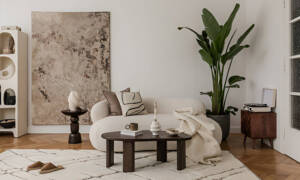
Color is not just about looks. It directly affects how a room feels, how people behave inside it, and even how comfortable a home feels day to day. In Dallas homes, where light, space, and lifestyle all play a big role, understanding color psychology helps homeowners make smarter interior design decisions.
Let’s break down how different colors influence mood and how they are best used in Dallas interiors.
How Color Psychology Works in a Home
Color psychology is the study of how colors affect emotions and behavior. When used correctly, color can make a space feel:
- Bigger or smaller
- Warmer or cooler
- Calm or energetic
In Dallas, natural sunlight is strong, and that changes how colors appear throughout the day. A color that looks soft in a showroom may feel intense in a sunlit living room. This makes color selection even more important.
Neutral Colors and Emotional Balance
Neutrals are the foundation of most Dallas homes, and for good reason. They create balance and flexibility.
Common neutral effects:
- Beige and warm whites feel welcoming and calm
- Greige offers modern simplicity without feeling cold
- Soft taupe adds warmth without heaviness
Neutrals work well in living rooms, hallways, and open floor plans where flow matters. They also allow furniture and decor to stand out without overwhelming the space.
Blue Tones for Calm and Focus
Blue is strongly linked to calmness and mental clarity. In Dallas homes, it is often used in:
- Bedrooms
- Home offices
- Bathrooms
Lighter blues create a peaceful feel, while deeper blues add sophistication. Because Dallas homes receive plenty of daylight, muted or dusty blues tend to work better than bright ones.
Green Shades and a Sense of Comfort
Green is associated with balance, nature, and relaxation. It has become increasingly popular in Dallas interiors.
Psychological benefits of green:
- Reduces stress
- Feels grounding
- Works well in shared spaces
Sage, olive, and soft eucalyptus tones are common choices for living rooms and kitchens. These shades pair well with wood elements and modern finishes.
Warm Colors and Energy Control
Warm colors like reds, oranges, and yellows stimulate energy and conversation, but they must be used carefully.
Best practices for warm colors:
- Use as accent walls or in dining areas
- Avoid overpowering small rooms
- Choose muted or earthy versions instead of bright tones
In Dallas homes, terracotta, rust, and soft clay shades provide warmth without visual fatigue.
Dark Colors and Emotional Depth
Dark colors are no longer avoided. When used correctly, they add depth and luxury.
Dark shades work best in:
- Accent walls
- Powder rooms
- Dining rooms
Charcoal, deep green, and navy can make a room feel intimate and intentional. Proper lighting is key, especially in Dallas homes with large windows.
Matching Color Psychology With Lifestyle
Every household is different. A family home may benefit from calm, forgiving colors, while a modern condo may lean toward bold contrast.
This is where professional guidance matters. Choosing colors based on psychology, lighting, and layout together leads to better long-term results. Many homeowners rely on professional interior design services in Dallas to ensure their color choices support both mood and function while fitting the home’s structure and light patterns.
Choosing Colors That Feel Right Long Term
Trends change, but how a home feels matters every day. Color psychology helps Dallas homeowners create spaces that support rest, focus, connection, and comfort. When colors align with lifestyle and environment, a home feels natural instead of forced.
Designing With Emotion, Not Just Paint
Interior color psychology is about intention. In Dallas homes, the right colors do more than decorate walls. They shape daily experience, mood, and comfort. Thoughtful color choices turn a house into a place that truly feels like home.