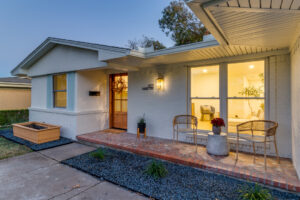
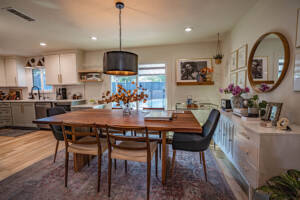
Painting is one of the final steps that makes a whole home renovation feel complete. But if it is done at the wrong time, it can lead to damaged walls, rework, and wasted money. A clear painting timeline helps everything run smoothly and keeps finishes looking clean and professional.
For Dallas homeowners, timing matters even more because lighting, heat, and open layouts can highlight flaws if painting is rushed.
Why Painting Needs Its Own Timeline
Many people think painting is simple and quick. In a full renovation, it is not. Painting depends on drywall work, flooring, trim installation, and even lighting. If any of these steps are unfinished, paint results will suffer.
A proper timeline ensures paint is applied once and done right.
Phase 1: After Structural and Framing Work
Painting should never begin while major construction is still happening. This includes:
- Framing changes
- Electrical and plumbing rough-ins
- HVAC updates
At this stage, walls are often open or partially patched. Painting now would only lead to damage later.
Phase 2: Drywall Installation and Repair
Once construction work is complete, drywall is installed or repaired. This phase includes:
- Taping and mudding seams
- Repairing holes and cracks
- Matching textures
- Full sanding and cleanup
Drywall must fully dry and cure before moving forward. Painting before this step is finished is one of the most common renovation mistakes.
Phase 3: Priming the Walls
Primer is a critical but often overlooked step. After drywall work:
- Primer seals new drywall
- Creates a uniform surface
- Prevents patched areas from showing through paint
In whole home renovations, primer is usually applied to most or all walls, not just repaired spots.
Skipping or rushing primer often leads to uneven color and flashing.
Phase 4: Interior Painting Before Flooring
The best time to paint interior walls is before final flooring is installed. This protects new floors from:
- Paint splatter
- Ladder marks
- Heavy foot traffic during painting
At this stage, painters can work faster and more cleanly without excessive masking.
This sequence is usually followed in professional whole home remodeling schedules to avoid rework and delays.
Phase 5: Trim, Doors, and Detail Painting
Once walls are painted and floors are installed, trim and doors are finished. This includes:
- Baseboards
- Window and door trim
- Interior doors
- Built-in cabinets
These areas often use different paint finishes and require careful detail work. Doing them after flooring ensures clean lines and proper coverage.
Phase 6: Final Touch-Ups
No renovation is complete without touch-ups. This final phase fixes:
- Minor scuffs
- Nail holes
- Small paint chips
- Edge corrections
Touch-ups are best done after all trades are finished and fixtures are installed.
How Long Does the Painting Process Take?
For a full home renovation, painting alone can take:
- 1 to 2 weeks for average-sized homes
- Longer for large homes or detailed trim work
Time depends on:
- Home size
- Number of coats
- Drying time between coats
- Level of detail required
Rushing this phase often leads to visible flaws that stand out once the home is fully furnished.
Common Timeline Mistakes to Avoid
- Painting before drywall is complete
- Installing flooring too early
- Rushing paint to meet move-in dates
- Overlapping painting with heavy construction
These mistakes usually result in repainting sections of the home later.
Planning Painting as Part of the Bigger Renovation
Painting should not be treated as an afterthought. It is a key part of the renovation sequence that affects every room visually.
When planned properly, painting flows smoothly with construction, protects new finishes, and delivers clean, long-lasting results.
Finishing Your Renovation the Right Way
A clear painting timeline helps your renovation end strong. Walls look smoother, colors appear consistent, and the home feels truly finished.
Careful timing turns painting from a stress point into a smooth final step that completes your whole home renovation with confidence.