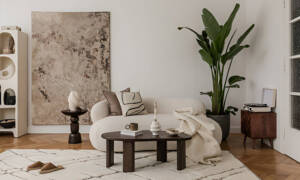
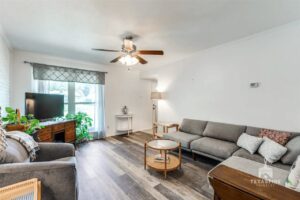
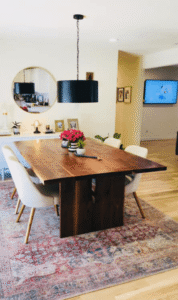
Small spaces can feel cramped, dark, or cluttered if painted the wrong way. The good news is that paint alone can completely change how a small room looks and feels. With the right colors, finishes, and techniques, even the tightest spaces can feel open and comfortable.
Here are practical interior painting tips that work especially well for small spaces.
1. Use Light Colors to Open Up the Room
Light colors reflect more light, which makes a room feel larger and airier.
Best color choices for small spaces:
- Soft white
- Light beige
- Pale gray
- Warm off-white
Avoid stark white if the space has poor lighting. Slightly warm tones feel more natural and less harsh while still keeping the room bright.
2. Keep Walls and Ceilings Close in Color
High contrast between walls and ceilings can visually cut a room shorter. In small spaces, it helps to keep them close in tone.
Smart approaches include:
- Painting ceilings the same color as walls
- Using a ceiling shade one tone lighter
- Avoiding dark ceilings in low rooms
This creates visual continuity and makes the room feel taller.
3. Choose the Right Paint Finish
Paint finish matters just as much as color in small spaces.
Best finishes for small rooms:
- Matte or eggshell for walls to reduce glare
- Satin for durability in high-use small areas
- Avoid high gloss on large wall surfaces
Too much shine can highlight imperfections and make walls feel busy.
4. Use One Color Across Connected Areas
In small homes or apartments, frequent color changes break visual flow. Using one main color across multiple rooms helps spaces feel connected and larger.
This works well for:
- Studio apartments
- Small open layouts
- Narrow hallways
Subtle changes in texture or decor can add interest without changing paint color.
5. Accent Walls Should Be Used Carefully
Accent walls can work in small spaces, but only when used thoughtfully.
If using an accent wall:
- Choose a soft or muted shade
- Limit to one wall only
- Place it on the longest wall
Avoid bold, dark accent walls in tight rooms unless there is strong natural light.
6. Paint Trim Strategically
Trim color affects how walls are perceived.
Tips for trim in small spaces:
- Match trim color to wall color for seamless look
- Use lighter trim to subtly frame the room
- Avoid heavy contrast between wall and trim
Matching trim and walls can make the space feel wider and more modern.
7. Vertical Painting Tricks for Height
Vertical visual tricks can make ceilings feel higher.
Effective methods include:
- Vertical color blocks
- Subtle vertical stripes
- Painting trim slightly taller
These techniques draw the eye upward, improving the sense of height.
8. Lighting and Paint Must Work Together
Paint alone cannot fix a poorly lit space. Always consider lighting when choosing colors.
Helpful tips:
- Test paint samples at different times of day
- Avoid dark shades in windowless rooms
- Pair light paint with warm lighting
Lighting and paint should support each other, not compete.
9. Planning Makes the Biggest Difference
Small spaces leave little room for error. A color or finish that feels wrong becomes noticeable fast. Planning paint choices before starting avoids costly repainting.
Many homeowners use interior design services to plan color, finish, and layout together so small spaces feel intentional instead of improvised. This approach ensures paint enhances the room rather than highlighting its limitations.
Ideas That Fit How You Live
The best kitchen remodeling ideas are not trends. They are solutions that fit your home and daily routine.
Whether your goal is more space, better storage, or a fresh look, smart planning makes all the difference. A kitchen designed around how you live will always feel modern, no matter the style.